

Quick guide
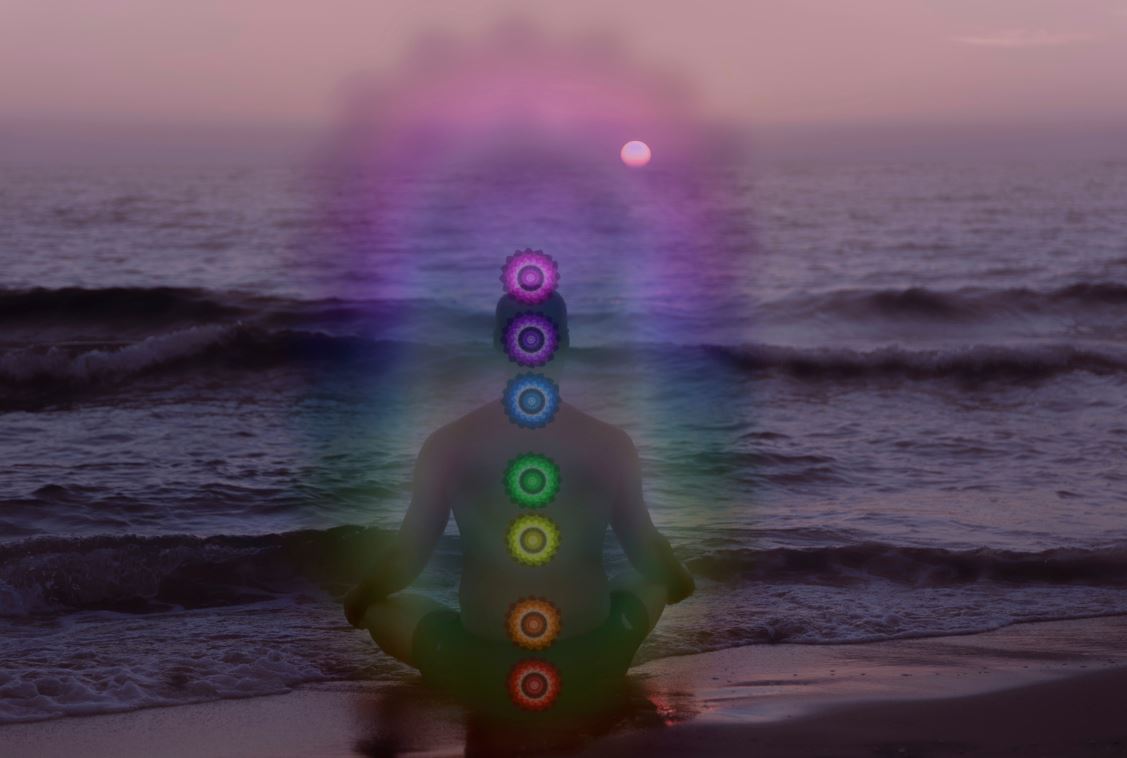
People use “aura cleansing” to describe practices intended to feel calmer, refreshed or more settled. You can use that symbolism without treating an aura as a medical finding or assuming that you need a paid repair.
Choose one comfortable practice
- Sit somewhere comfortable and breathe at an easy pace. Do not force deep breaths or hold your breath.
- Take a gentle walk, listen to music or spend a quiet moment with a familiar object.
- Write one sentence about what you want to leave behind and one practical action you can take.
- If a visualization feels reassuring, use it as an image—not as a rule you must repeat to stay safe.
Keep comfort and safety first
A ritual does not need smoke, fragrances, very hot baths, fasting or products applied to your skin. Choose a smoke-free option around respiratory sensitivities, children or pets. Stop any practice that causes dizziness, discomfort or more distress.
What the routine can and cannot establish
Relaxation practices may help some people manage stress, but responses vary. NCCIH’s relaxation guidance also notes that some people experience unpleasant reactions. Feeling different afterward does not diagnose an energy field or establish that something harmful was removed.
If you feel persistently unwell
Fatigue, low mood, confusion and changes in sleep deserve attention on their own terms. Do not let an aura interpretation delay a health appointment or lead you to stop prescribed treatment. A spiritual practice can sit alongside appropriate support, not replace it.
“I’m so glad this article highlighted these methods! Deep breathing has transformed my focus during meditation, and adding energy combing sounds fun! Can’t wait to experience the benefits firsthand!”
“This resonates with me deeply. I’ve been feeling off lately and am excited to try these cleansing techniques. It’s fascinating how much energy can affect our mood—I’ll be practicing those mantras soon!”
“But is there any real evidence that these practices work? I feel like it’s all just wishful thinking without scientific backing.”
“Even if there’s no scientific proof, if it helps people feel better mentally or emotionally, isn’t that enough? Sometimes personal experiences matter more than data.”
“So let me get this straight: all I need is some salt water and positive chants to be happy? Wow, why didn’t I think of that before? Where do I sign up for my ‘happiness in a bottle’ kit?”
Really? Cleansing your aura? Sounds like a bunch of nonsense to me. It seems like just another way for people to sell gimmicks. How about focusing on real-life solutions instead of mystical mumbo-jumbo?
This article brings up some interesting points about the importance of mental health and its connection to our physical state. The concept of an aura may not be scientifically proven, but the techniques mentioned for stress relief are definitely valid.
While I appreciate the effort behind this article, I can’t help but argue that relying on spiritual methods like cleansing auras can distract us from addressing tangible issues in our lives. Shouldn’t we prioritize concrete actions over metaphysical beliefs?
I absolutely loved this article! It’s so refreshing to read about ways to improve our well-being. Cleansing your aura sounds empowering and practical! I’m excited to try the breathing techniques and positive mantras.
‘Clean your aura’? Really? Next, they’ll tell us we need to wash our emotions too! If only negativity could be scrubbed away as easily as a dirty dish. But hey, if it works for you, go ahead!