

Quick guide
Trauma is real, common, and treatable. The treatments with the strongest evidence are trauma-focused psychological therapies, sometimes with medication. Several practices that people reach for on the spiritual shelf, meditation, yoga, breathing, prayer, community and ritual, can support recovery, and there is reasonable evidence for some of them as additions. What none of them can do is replace treatment, and a growing industry sells them as if they can, with proprietary techniques, “alignments”, “activations” and “energy release” that promise to purge trauma from your body or your DNA. This guide keeps the two apart: what helps, how it helps, and what to leave alone. If you need help now, the numbers are at the end.
What trauma is
Trauma is the lasting effect of an event or a period that overwhelmed your ability to cope: an assault, an accident, a disaster, combat, abuse, a sudden death, or long exposure to danger, neglect or cruelty. Some people recover on their own with time and support. Others develop post-traumatic stress: intrusive memories, nightmares, avoidance, being constantly on guard, numbness, sleep problems, and reactions to reminders that feel as strong as the original event. The National Institute of Mental Health describes the condition, its causes and its treatments plainly, and it is the best short read on the subject.
Two claims common in spiritual writing about trauma deserve a direct answer. Trauma changes how the brain and body respond to threat, and that is well established; it does not “permanently” rewire you, and recovery is the norm with treatment. And while researchers study whether extreme stress can influence gene expression in ways that affect the next generation, the science is early and contested; the confident claim that trauma is “stored in your DNA” and must be “purged” is a sales line, not a finding.
Where each kind of help fits
- Treatment Trauma-focused therapy (CPT, prolonged exposure, EMDR, trauma-focused CBT), sometimes medication. Strongest evidence. The core.
- Support A stable routine, sleep, safe relationships, peer groups. What makes treatment stick.
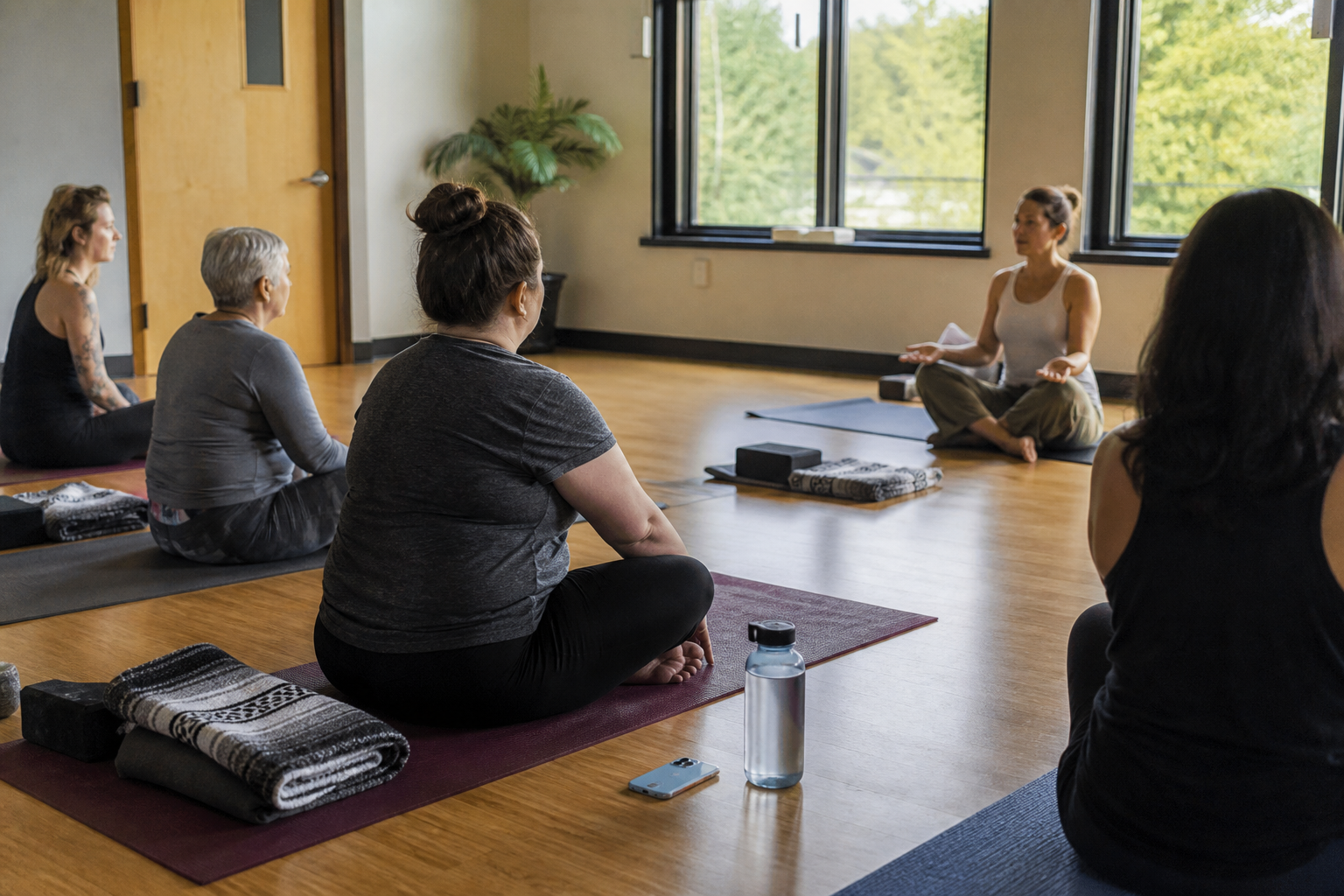
- Practices Meditation, yoga, breathing, prayer, community, ritual. Useful additions with some evidence; not substitutes.
- Avoid Anything sold as a cure, a purge, an alignment or an activation, especially in tiers or as a prerequisite to treatment.
The order matters. People who start with the fourth category often never reach the first.
What has evidence
| Approach | What the evidence says | How to use it |
|---|---|---|
| Trauma-focused psychotherapy | Strong evidence; first-line treatment in every major guideline | Ask a doctor for a referral, or search for a therapist trained in CPT, PE, EMDR or TF-CBT |
| Medication (usually SSRIs) | Moderate evidence, especially with therapy | Prescribed and reviewed by a doctor |
| Mindfulness and meditation | Some evidence for reducing symptoms as an addition; can be difficult early on for some people | Start short and guided; the NIH’s summary is a fair guide |
| Yoga, especially trauma-informed classes | Some evidence for symptom reduction as an addition | Choose a teacher who offers options and never adjusts you by touch without asking; see the NIH’s notes on yoga |
| Breathing and relaxation practices | Reasonable evidence for lowering arousal; the NIH’s notes summarise it | Learn one, practise it when calm, use it when triggered |
| Prayer, congregation, ritual, community | Consistent association with better coping and less isolation; hard to test, but low risk | Whatever community you already belong to, or one that does not charge to belong |
| Reiki, energy healing, “alignments” | No evidence beyond relaxation; the NIH’s reiki summary is clear | If it relaxes you and is cheap, fine as relaxation. Not treatment. |
How spiritual practices actually help
It is worth being precise, because precision is what protects you from the sales pitch. Meditation, prayer and breathing practices help people with trauma in three ordinary ways: they lower physical arousal, so the body spends less time in alarm; they give a structured, repeatable thing to do when reminders hit; and they create a sense of meaning and belonging that trauma tends to strip away. Congregations, circles and groups add the fourth thing, which may matter most: other people who do not flinch. None of this requires energy fields, frequencies or purging. All of it is available for free or nearly so.
Two cautions. For some people early in recovery, sitting still with eyes closed makes intrusive memories worse rather than better; if that is you, choose movement-based practices (walking, trauma-informed yoga) and keep meditation short and guided. And a practice that becomes a way of avoiding treatment, or of avoiding the memory entirely, has stopped helping.
What to be wary of
Claims
“Purge trauma from your cells.” “Release it from your DNA and heal your ancestors.” “One session clears what therapy takes years to reach.” “You need to be attuned/aligned/activated before you can heal.” Each is unfalsifiable, each is expensive, and each shifts you away from what works.
Structures
Proprietary techniques with trademarked names and certification tiers. Practitioners who discourage therapy or medication. Group “healings” that press you to disclose in front of strangers. Anyone who diagnoses “trapped” or “inherited” trauma without asking about your history. The removal script has a therapeutic costume too.
A fair test for any practice: would it still be offered if you could not pay? Congregations, peer groups, free guided meditations and community yoga pass it. Alignments sold in packages do not.
Sexual trauma, specifically
Sexual assault and abuse carry a particular weight of shame and secrecy, and survivors are often drawn to approaches that promise release without having to speak about what happened. Trauma-focused therapy is effective for sexual trauma, and it can be done at your pace, with a therapist you choose, without ever being pushed. Spiritual practices can sit alongside it in the ways described above. Group “purging” sessions that press disclosure, and practitioners who claim to clear the abuse from your body or bloodline, should be avoided; they can retraumatise, and they cost money survivors are often short of. The National Sexual Assault Hotline (800-656-4673) is confidential, free, and can connect you to local services.
If you need help now
- If you are in danger or thinking of harming yourself: call or text 988 (US) or your local emergency number.
- Sexual assault: National Sexual Assault Hotline, 800-656-4673, rainn.org.
- Abuse or control in a relationship: National Domestic Violence Hotline, 1-800-799-7233, or text START to 88788.
- Finding treatment: ask your doctor for a referral to trauma-focused therapy, or read the NIMH’s guide to coping with traumatic events for where to start.
Key takeaways
- Trauma is treatable; trauma-focused therapy is the core, and recovery is the norm.
- Meditation, yoga, breathing, prayer and community can support recovery in ordinary, well-understood ways, and most are free.
- Nothing purges trauma from cells, DNA or bloodlines. Techniques sold on that claim are sales, not care.
- Choose practices that would exist without your money, and practitioners who encourage treatment rather than replacing it.
- For sexual trauma, therapy at your own pace works; group purging and bloodline clearing do not, and can harm.
Frequently asked questions
1. Can spiritual practices heal trauma?
They can support recovery: lowering arousal, giving structure, restoring meaning and community. The treatment that resolves trauma is trauma-focused therapy, sometimes with medication. Practices work best alongside it, not instead of it.
2. What is the best treatment for trauma?
Trauma-focused psychotherapies such as cognitive processing therapy, prolonged exposure, EMDR and trauma-focused CBT have the strongest evidence and are first-line in every major guideline. SSRIs are also used, usually with therapy.
3. Is trauma stored in the body?
Trauma changes how the nervous system responds to threat, which people experience physically: tension, startle, racing heart. That is different from the claim that trauma is a substance lodged in cells that a practitioner can release. The first is well established; the second is not.
4. Is trauma passed down through DNA?
Researchers are studying whether extreme stress can affect gene expression across generations; the findings are early and contested. Confident claims that you carry ancestral trauma in your DNA and must purge it are not supported.
5. Does meditation help with PTSD?
There is some evidence for mindfulness-based approaches reducing symptoms as an addition to treatment. For some people early in recovery, sitting still worsens intrusive memories; short, guided or movement-based practice is a better start.
6. Is yoga good for trauma?
Trauma-informed yoga has some evidence for symptom reduction as an addition to therapy. Look for teachers who offer choices, avoid hands-on adjustment without consent, and never push.
7. What about Reiki or energy healing?
The NIH’s summary finds no evidence for Reiki beyond relaxation. If it relaxes you and costs little, that is a reasonable use. It is not a treatment for trauma.
8. What is Sacred Soul Alignment or similar techniques?
Proprietary, trademarked healing systems sold through practitioners and certification tiers. They have no independent evidence, and their claims (attuning you to frequencies, releasing trauma from your fields) cannot be tested. Treat them as relaxation at best and as a sales structure at worst.
9. Can prayer or religion help?
Belonging to a congregation and having a practice of prayer are consistently associated with better coping and less isolation after trauma. They are hard to test in trials but low in risk and cost.
10. How do I find a trauma therapist?
Ask your doctor for a referral, or search for therapists trained in CPT, PE, EMDR or TF-CBT. Many offer sliding fees. The NIMH’s coping guide lists ways to start.
11. Are group healing sessions safe?
Peer support groups run by trained facilitators are valuable. Group “purging” or “release” sessions that press people to disclose in front of strangers can retraumatise. Ask who runs it, what training they have, and whether you can stay silent.
12. What if a practitioner says I need clearing before therapy will work?
That is a claim designed to put them first in line for your money. Therapy works without any clearing. Walk away.
13. Can I recover without therapy?
Many people do, with time, safety and support, especially after single events. If symptoms persist beyond a month or two, or affect sleep, work or relationships, treatment shortens recovery considerably.
14. Is it too late if the trauma was decades ago?
No. Trauma-focused therapies work for old trauma as well as recent, and many people begin treatment in midlife or later.
15. What should I do if I’m not safe right now?
Call or text 988 in the US, or your local emergency number. For abuse or control at home, the National Domestic Violence Hotline is 1-800-799-7233. For sexual assault, 800-656-4673.
16. How do I tell a helpful spiritual practice from a harmful one?
Helpful ones would exist without your money, encourage treatment, let you go at your own pace and never require disclosure. Harmful ones sell cures, discourage therapy, press disclosure, and come in tiers.
Feeling triggered by certain people or places?
Our guide explains what trauma triggers are, why sensitive people feel them harder, and the seven things that help, in order.
Evidence check: treatment statements follow the National Institute of Mental Health; statements about meditation, yoga, relaxation and Reiki follow the NIH’s National Center for Complementary and Integrative Health summaries linked above. Nothing here is medical advice; please see a doctor or therapist for treatment.
“Sacred Soul Alignment”? Sounds like a fancy name for some new-age mumbo jumbo. Can someone please explain how aligning your soul actually helps with real-life problems? Asking for a friend who doesn’t buy into this stuff.
While I get the intent behind this article, it feels overly optimistic. Trauma isn’t something you just ‘heal’ from with a few techniques. Life isn’t that simple, and claiming otherwise does a disservice to those suffering.
This article is so uplifting! It’s amazing to see the focus on healing trauma and how it can transform lives. I truly believe in the power of Sacred Soul Alignment to help us reconnect with our true selves.
Absolutely, SunnyDaze! The insights shared here are a beacon of hope for many. Healing can feel daunting, but articles like this remind us that it’s a journey worth taking.
I appreciate the discussion on collective trauma and its effects on humanity. It’s refreshing to see articles urging us towards healing rather than simply focusing on individual pain points. There’s hope for change!
Exactly! PonderingPenguin23, it’s all about breaking cycles and creating a healthier environment for future generations.
“Healing trauma” sounds nice in theory, but how do we really know these methods work? Everyone’s experience is unique; what heals one person might not work for another. Shouldn’t we be cautious about promoting such practices?
“Trauma affects generations…” This idea resonates deeply. We often overlook how our pain influences future families. Understanding this interconnectedness may be crucial in addressing societal issues at large.
The concept of trauma being passed down genetically is fascinating! I wonder what kind of research supports that claim? It’s important we understand the science behind these claims as well as the emotional impact.
“You can heal your trauma with frequency vibrations!” Next thing you know, they’ll say we just need to hum in the shower to cure depression! But hey, if it works for someone—who am I to judge?