

At a glance
Tools shape the symbols and structure of a reading. Ask how a practitioner uses them and keep interpretation separate from claims that need independent evidence.
What you may encounter
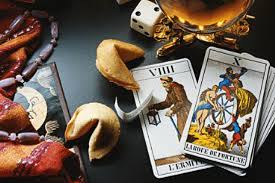
- Tarot and oracle cards: images interpreted through a deck, tradition and the reader’s approach.
- Astrology: charts calculated from dates, times and locations, followed by interpretation.
- Runes: symbols drawn or arranged for a reading.
- Crystals: objects used as a focus or within a ritual.
- Pendulums: a suspended weight whose movements are interpreted as responses.
- No physical tool: impressions described in intuitive or spiritual terms.
The object does not verify the answer
A correctly calculated chart is different from a verified prediction. A card that feels relevant is different from proof of another person’s intentions. Ask what was observed, what was supplied by you and what is being interpreted.
Small movements can also feel as though they come from elsewhere. Research on ideomotor actions examines movements without a corresponding sense of conscious control; this is relevant when considering movement-based tools.
Choose by the experience you want
You might prefer visible imagery, a conversation or a written explanation. Check price, privacy and stopping terms whichever tool is used. No object makes a reading a substitute for appropriate professional advice.
“I like using a variety of tools…” That’s great! But wouldn’t it be more useful if psychics could just read minds directly? Imagine how much easier life would be without the need for cards or crystals! What’s next—psychics using laptops?
@GadgetGary: Right? Or they’d just blame their slow Wi-Fi connection when they get things wrong!
@QuirkyQ: Honestly, if they had laptops, they’d probably just end up Googling everything anyway!
While I respect everyone’s beliefs, I find this whole psychic thing to be a bit far-fetched. Intuition is one thing, but claiming to tap into an ‘energy Internet’ seems like a stretch. This just feeds into pseudoscience.
[Insert eye roll emoji] Why do people believe in these things? All this talk about crystals and tarot cards sounds like something out of a bad movie plot. Just because it’s popular doesn’t make it real!
This article provides a fascinating overview of divination tools and psychic practices. It’s interesting how diverse the approaches can be. Each tool has its own significance and purpose in enhancing intuition, which can be quite beneficial for personal growth.
…and here we thought online browsing was only for shopping! The idea that psychics can access a universal ‘energy Internet’ is both intriguing and absurd at the same time. Can we expect an app for that soon?
I absolutely loved this article! It beautifully explains the various tools psychics use to connect with their intuition. As someone who practices tarot reading, I appreciate the acknowledgment of different methods. Great job!
“Psychic abilities? More like psychic abilities!” The mention of ‘spirit guides’ sounds like something out of a superhero comic book. Next time I’m lost, maybe I’ll call my spirit guide instead of using Google Maps!
‘Energy Internet’? Seriously? This metaphor might sound cool, but it undermines the seriousness of psychic practices. Not all psychics rely on rituals or tools; some are genuinely gifted without needing gimmicks to validate their abilities.