

Quick guide
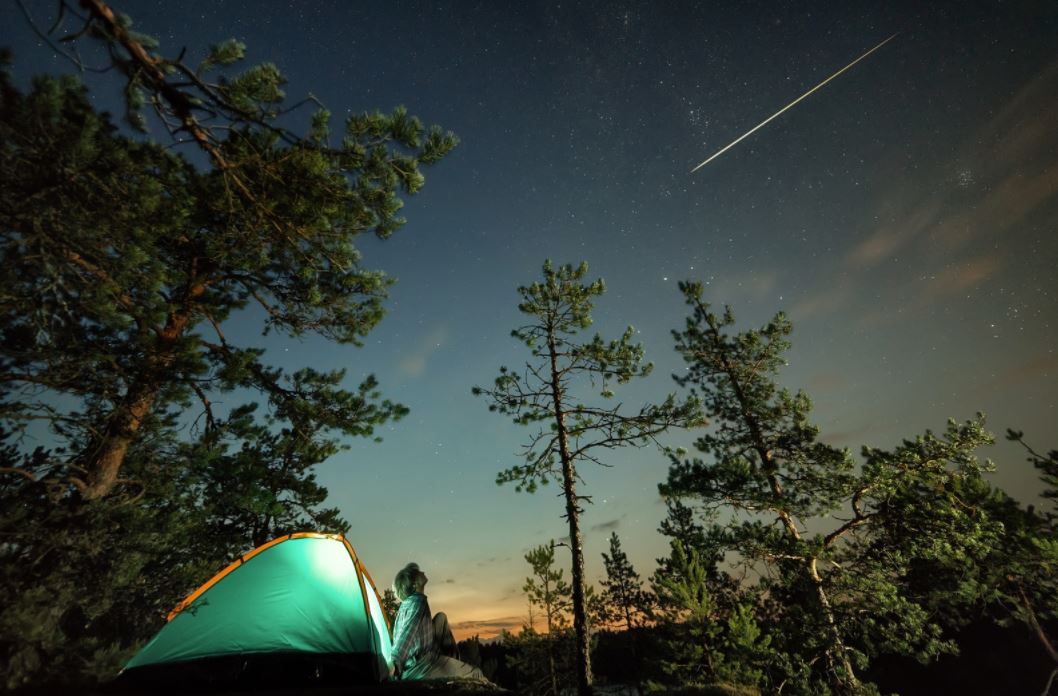
A “falling star” is a meteor—the bright streak produced when space material enters Earth’s atmosphere. It can be a striking experience without being a forecast or a message you must act on. A wish can remain a personal ritual.
Meteor, meteoroid or meteorite?
A meteoroid is material in space; a meteor is the visible streak in the atmosphere; a meteorite is material that reaches the ground. Meteor showers occur when Earth encounters streams of debris. NASA’s meteor-shower explanation describes the process.
Make room for meaning without assigning a verdict
People tell different stories about unusual sights in the sky. You may use the moment to remember someone, feel grateful or name a hope. That meaning does not establish that a relationship will return, an event is destined or a danger is approaching.
A practical way to use the wish
- Write down what you wished for when it is convenient.
- Separate the part you can influence from what depends on others or chance.
- Choose one action if you want to pursue it.
- Let the sight remain enjoyable even if nothing follows from it.
If you want to watch for meteors
Use a current local observing guide, check weather and access, and choose a safe place away from traffic. Viewing conditions and shower dates vary. Never look at the Sun while using binoculars or a telescope to explore the sky.
While the cultural interpretations of falling stars are interesting, let’s not forget that they are just meteoroids burning up in our atmosphere. The mystical explanations seem more like folklore than reality.
*sigh* Falling stars as ‘good omens’ again? How original! Maybe they are just rocks burning up, but it’s nice to see humans trying to find meaning in everything. Good luck getting your wishes granted, folks!
This article provides a wealth of information about the historical significance of meteoroids across various cultures. The references to Roman and Greek beliefs add depth to our understanding of how humanity has interacted with celestial events.
Sure, falling stars might be seen as good omens by many, but isn’t it just a tad simplistic? Why do we ignore the narratives that connect them to doom or death? It’s essential to present all perspectives.
*snickers* So people believe that shooting stars are either good luck or impending doom? Sounds like the universe is playing some cosmic game with us. Either way, I’m still making wishes every time I see one!
‘Falling stars’ have such a rich history! If only we could harness their energy for something productive instead of just wishing on them. Imagine if all those wishes turned into real-world solutions instead!
Wouldn’t that be amazing?! But then again, reality is rarely as fun as fantasy. Here’s hoping for some cosmic intervention anyway!
I guess wishing is easier than working for what you want! But hey, dreams need a place too!
So if I wish really hard on a shooting star, does that mean I can finally get my pizza delivered in under an hour? Seriously though, this is quite entertaining! Who knew space rocks had so much drama?
I absolutely loved this article! It’s fascinating to see how different cultures interpret meteoroids as signs from the universe. I’ve always wished on falling stars, and now I feel even more connected to this magical tradition!